


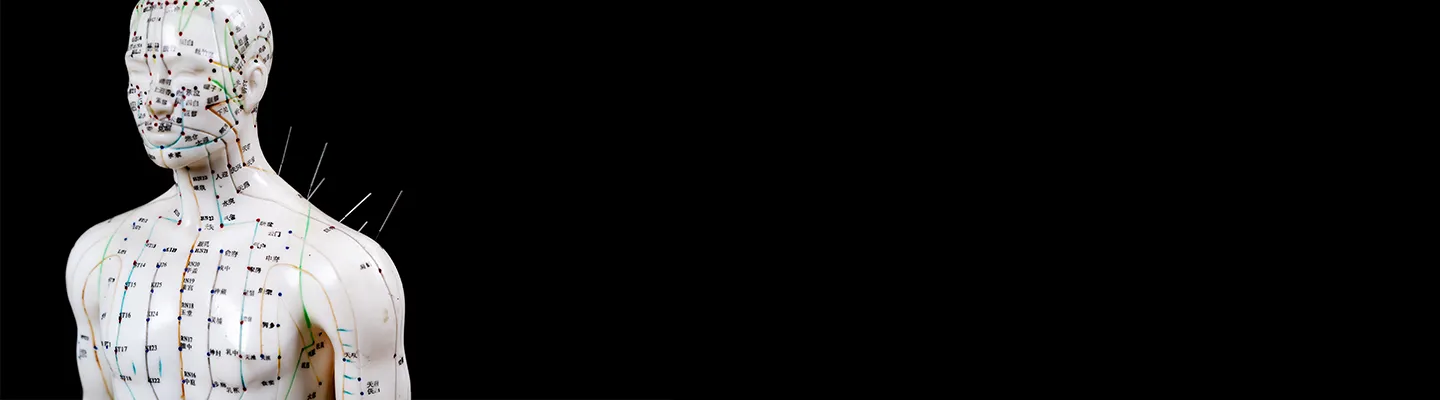
Acupuncture is an ancient practice that focuses on restoring balance within the body by targeting specific points along energy pathways known as meridians. Each of these acupuncture points has a unique role in addressing various symptoms, whether related to pain, stress, digestion, or more complex internal issues. Here’s a closer look at some of the key acupuncture points and the symptoms they treat.
LI4 (Hegu)
Located between the thumb and index finger, LI4 is one of the most commonly used acupuncture points. It’s known for relieving headaches, facial pain, toothaches, and tension in the upper body. LI4 is also effective in reducing stress and promoting relaxation.
ST36 (Zusanli)
ST36 is found just below the knee and is often referred to as the “longevity point.” It’s famous for its role in improving digestion, boosting energy, and strengthening the immune system. This point is particularly beneficial for those dealing with fatigue, gastrointestinal issues, or general weakness.
SP6 (Sanyinjiao)
This point lies on the inner leg, about three finger-widths above the ankle. SP6 is frequently used in women’s health, especially for menstrual pain, irregular cycles, and fertility support. It’s also beneficial for treating digestive problems and calming the mind.
LV3 (Taichong)
LV3 is located on the foot, between the first and second toes. This point is effective for relieving stress, anger, and irritability. It’s also useful in treating headaches, eye strain, and symptoms related to liver health, such as menstrual cramps and digestive issues.
PC6 (Neiguan)
Found on the inner forearm, about two inches above the wrist, PC6 is known for easing nausea, especially related to pregnancy, motion sickness, or chemotherapy. It also helps reduce anxiety, chest tightness, and palpitations.
GB20 (Fengchi)
This point is situated at the base of the skull, where the neck meets the head. GB20 is a go-to for treating headaches, migraines, neck stiffness, and dizziness. It’s also useful in relieving eye strain and helping with sinus congestion.
Ren12 (Zhongwan)
Located in the upper abdomen, midway between the belly button and the bottom of the sternum, Ren12 is key in addressing digestive disorders like bloating, acid reflux, and stomach pain. It’s often paired with other points to enhance overall digestive function.
KD3 (Taixi)
KD3 is found on the inside of the ankle, just behind the bone. It plays a major role in addressing issues related to kidney function, such as lower back pain, fatigue, and hormonal imbalances. This point is also helpful in managing anxiety and promoting better sleep.
BL23 (Shenshu)
BL23 is located on the lower back, just to the side of the spine. It’s a vital point for those experiencing chronic lower back pain, urinary problems, or reproductive issues. It’s also considered a key point for boosting vitality and supporting overall energy levels.
Yin Tang
Positioned between the eyebrows, Yin Tang is known as the “third eye” point. It’s excellent for reducing stress, calming the mind, and improving focus. This point is often used for treating headaches, insomnia, and anxiety.
Acupuncture offers a targeted approach to managing symptoms by focusing on these specific points. Understanding what each point can do allows for more personalized and effective treatments. Whether you’re dealing with physical pain, emotional stress, or digestive concerns, these points form the foundation of many acupuncture sessions.